riverteuv632.hexaforgey.com

When Should You Worry About A Skin Development?

Moles & Benign Skin Growths Types, Risks Avoidance continues to represent one of the most reliable approach for reducing new skin growth development and lowering total skin cancer threat. Any newly developed skin lesion or pre-existing development that demonstrates changes in size, form, pigmentation, or surface features must get examination from a skin specialist. This referral ends up being particularly essential for lesions that begin bleeding, create discomfort, or exhibit uneven limits or differed pigmentation patterns. The clinical importance of actinic keratoses stems from their documented possibility to change right into squamous cell cancer, a type of hostile skin malignancy. Normally, moles are discovered over the midsection and are frequently situated in areas that are subjected to the sunlight. Crookedness indicates one half of a mole does not match the other fifty percent. When checking your moles or blemishes, attract a fictional line with the center and compare both fifty percents. If they do not look website the very same on both sides, have it checked by a dermatologist. We supply a data source of descriptions from real physicians on a series of clinical subjects.

Potentially Malignant Sores (skin Cancer)

Early detection considerably improves therapy results for all kinds of skin cancer cells. Melanoma is commonly considered one of the most harmful form of skin cancer cells as a result of its ability to spread swiftly to other parts of the body. The ABCDE guideline supplies a basic framework for recognizing questionable moles or sores that might suggest cancer malignancy.

What do malignant sores feel like?

Although skin cancer lesions might hemorrhage, impulse, or trigger pain, several cancerous tumors trigger no irregular sensations at all. This is why it''s so vital to understand the very early indicators of skin cancer cells and timetable normal screenings & #x 2014; particularly if you' have actually noticed a brand-new, uncommon growth on your skin.

A mole (nevus) is a benign development of melanocytes, cells that gives skin its color. Although really few moles end up being cancer cells, uncommon or atypical moles can turn into cancer malignancy with time. "Typical" moles can appear level or raised or may begin flat and end up being raised over time. Moles that might have become skin cancer cells are typically irregularly designed, include numerous shades, and are larger than the dimension of a pencil eraser. A mole, or nevus, is a cluster of pigmented cells that can show up anywhere on the skin.

Atypical Moles Vs Precancerous Moles Vs Typical Moles

  • Seborrheic keratoses rate amongst one of the most usual skin formations that commonly establish during the middle years of life.
  • However, you can elect to have an irregular mole gotten rid of for aesthetic reasons.
  • These developments are made of melanocytes, which are pigment cells that are in charge of creating skin color.
  • The majority of physicians advise routine surveillance of unusual moles.
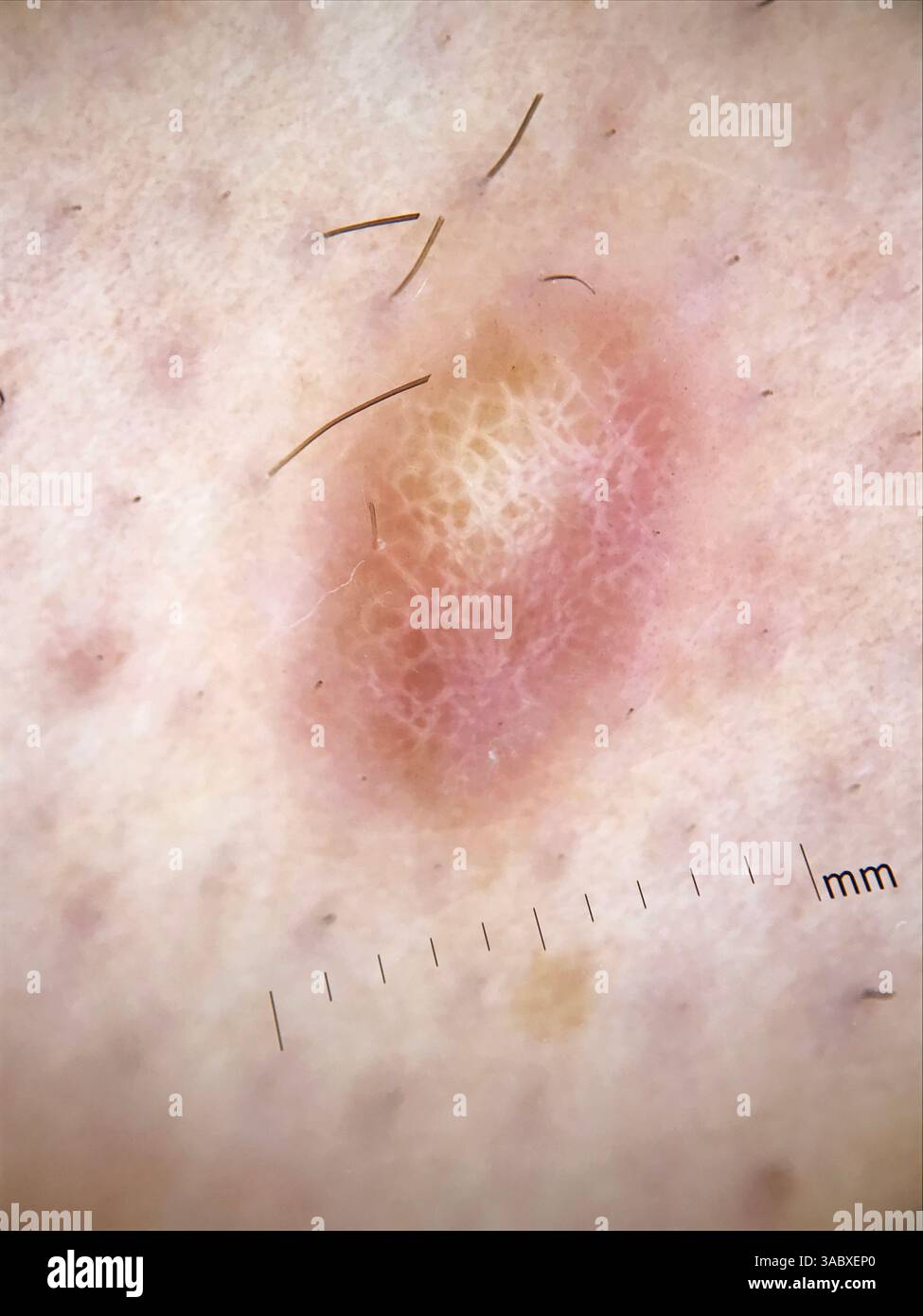
Both are common and are often healed when located early and treated. Individuals that have actually had skin cancer cells when go to threat for obtaining it again; they need to get a checkup at least yearly. Among the most common kinds of cancer cells in the USA isn't bust cancer or pancreatic cancer. Skin cancer is among minority types of cancers cells that can be https://jaidensbkn464.fairmontdigest.com/posts/just-how-to-remove-milia-without-marking-your-skin literally seen before it becomes a more severe problem. All moles, however irregular moles specifically, should be kept track of for any modifications fit, color, or dimension. Skin cancers-- consisting of cancer malignancy, basal cell cancer, and squamous cell cancer-- commonly begin as changes to your skin. They can be brand-new developments or precancerous lesions-- changes that are not cancer cells yet could become cancer cells gradually. An estimated 40% to 50% of fair-skinned people who live to be 65 will develop at least one skin cancer cells. One efficient means to separate in between benign moles and possible skin cancer cells is to make use of the ABCDE policy. Crookedness is a key indicator; benign moles are typically in proportion, while skin cancer sores might be unbalanced. On top of that, Dr. Clement Banda and his group at MD Blood Vessel & Skin Specialists are waiting when you're unsure or when you require added treatment. Today we go over six types of skin developments and exactly how to treat them. If you discover a new mole after age 30 or an existing mole that's altered appearance, it is essential to obtain your skin examined to figure out whether the mole is cancerous. When identified and treated early, 99% of all skin cancer cells cases can be cured. Ultimately, it can be hard for people to tell the difference in between an easy mole and a precancerous mole. Because of this, it is important to perform in-depth skin tests regularly. These thorough evaluations allow skin doctors to track existing formations and discover brand-new lesions throughout their earliest, most treatable phases. Precancerous skin growths are taken into consideration abnormal areas of the skin that could turn into cancer cells if they aren't eliminated. Normally, these growths are located on the skin's surface area and are typically located in locations on a regular basis subjected to the sunlight, such as the head, back, shoulders, or hands. Skin developments are typical and can appear at any type of phase of life. While lots of are safe, patients usually look for skin lesion removal when these developments end up being bothersome, irritated, or cosmetically worrying. If you see any one of the warning signs gone over above, don't delay seeking expert evaluation. Also individuals with just one unusually shaped or large mole have actually an increased risk of melanoma. Those people with 50 or even more regular moles have a greater threat of developing melanoma. A skin lesion is any type of swelling, bump or area on the skin that looks different from the bordering skin healthdirect.gov.au. In other words, they are harmless developments and not skin cancer.